
The Evolution of Schools in India: A 30-Year Journey and Future Perspectives
Over the past three decades, schools in India have undergone a remarkable transformation—from traditional chalk-and-board classrooms to technology-enabled, globally connected learning environments. This journey has been shaped by curriculum reforms, digital innovation, experiential learning, and a growing focus on holistic student development. As education continues to evolve with AI, personalized learning, and global opportunities, the future of Indian schools promises to prepare students not just for academic success but for thriving in an ever-changing world. Explore how education has changed, the trends driving its future, and what parents should look for when choosing the right school.
BOARDING SCHOOL
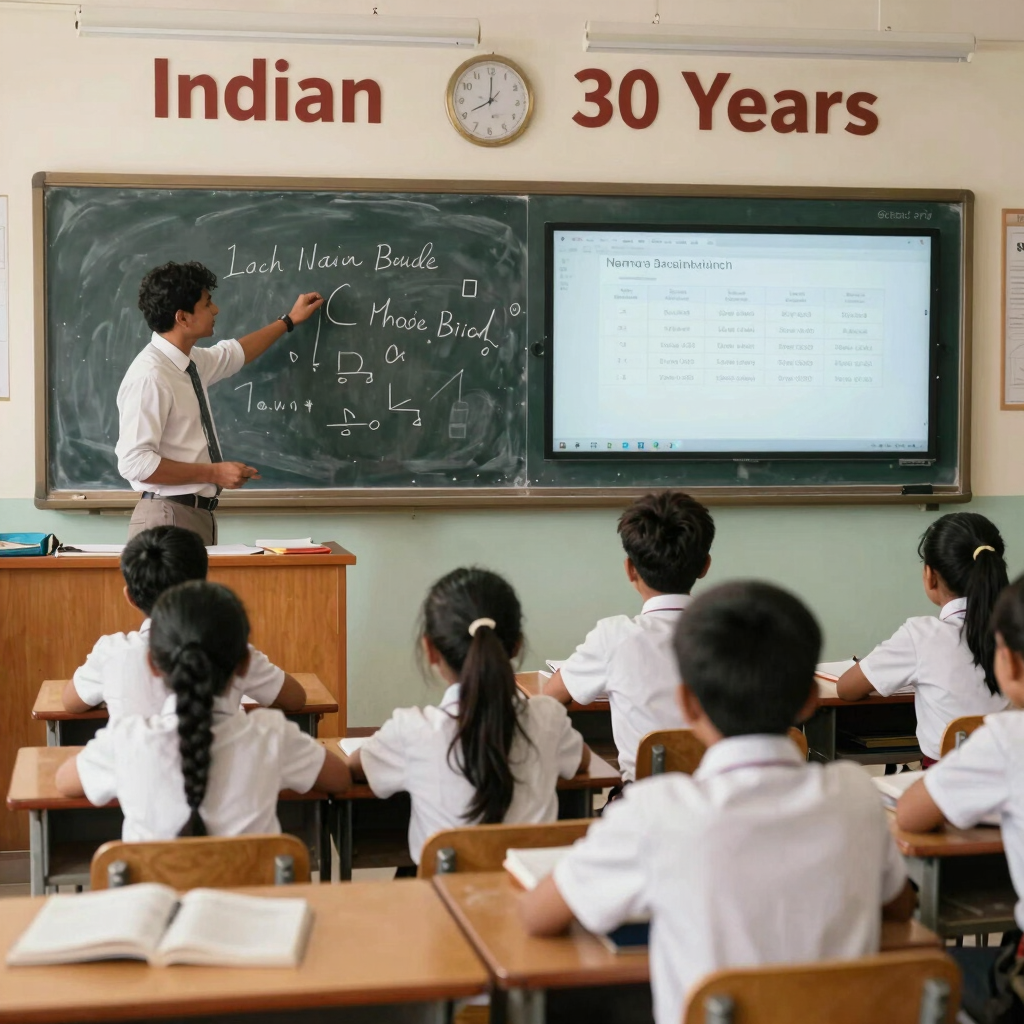
Introduction: Understanding the Landscape of Indian Education
The Indian education system has undergone significant transformations over the last 30 years, reflecting the nation's diverse cultural, economic, and social landscapes. Education plays a crucial role in India’s development, serving as a pivotal factor for personal growth, employment opportunities, and national progress. As the world's second-most populous country, India faces distinct educational challenges and opportunities, making its education system an area of keen interest for policymakers, educators, and stakeholders.
Historically, the Indian education framework was characterized by a strong emphasis on rote learning and traditional methods of instruction. However, as the global context evolved, so did the pedagogical approaches adopted by Indian schools. The integration of technology, innovative teaching methodologies, and a focus on holistic education have started to reshape the way knowledge is imparted and absorbed. Furthermore, the increasing importance placed on soft skills, critical thinking, and creativity reflects a shifting paradigm in educational priorities.
Over the past three decades, various educational reforms have been executed to address issues such as accessibility, equity, and quality. These reforms have manifested in the establishment of new policies aimed at promoting inclusive education, improving infrastructure, and enhancing teacher training. Initiatives such as the Right to Education Act (2009) highlight the government's commitment to ensuring that every child receives a basic education. The influence of globalization has also added layers of complexity, encouraging collaborations between Indian institutions and foreign educational agencies.
This introduction sets the stage for a deeper exploration of the pros and cons of the educational changes observed in India. By analyzing the evolution of schools in India, we can gain insight into the successes achieved and the challenges that still need to be addressed in order to create a world-class education system that meets the needs of all students.
Historical Context: The State of Schools in India 30 Years Ago
Three decades ago, the educational landscape of India was markedly different from what it is today. The early 1990s were characterized by a significant lack of infrastructure, as many schools were poorly equipped with basic amenities. Classrooms were often overcrowded, and the facilities were inadequate, which hampered effective learning. The focus was primarily on rote memorization, and teaching methods relied heavily on traditional lectures, with little emphasis on interactive or student-centric approaches.
The curriculum at that time was predominantly centered around core subjects such as mathematics, science, and languages, often neglecting other crucial areas like arts and vocational training. This narrow focus limited the holistic development of students and did not adequately prepare them for the rapidly evolving job market. Furthermore, educational materials were often outdated, and there was a severe shortage of trained teachers, which adversely affected the quality of instruction.
In terms of student enrollment, the figures were discouraging. Many children, especially in rural areas, had limited access to schooling due to socio-economic barriers. Girls, in particular, faced significant challenges when it came to education, as societal norms often prioritized traditional roles over academic pursuits. Despite government initiatives aimed at enhancing educational access, the enrollment rates were still low, reflecting the need for comprehensive reforms in the system.
The societal attitude towards education was also different, as many viewed it as a privilege rather than a right. There was limited awareness regarding the importance of education in fostering personal and community development. Thus, the stage was set for significant changes in the following decades, as the nation recognized the critical role of education in shaping its future.
Transformations in the Indian School System
Over the past three decades, the Indian school system has undergone remarkable transformations, driven by modernization and the increasing demand for quality education. A significant development has been the integration of technology in classrooms. Digital tools, including smart boards, tablets, and online learning platforms, have reshaped the traditional educational landscape, promoting interactive and personalized learning experiences. This technology adoption not only enhances student engagement but also prepares them for a digitally connected world.
The curriculum has also witnessed substantial changes, moving towards a more holistic and inclusive approach. Emphasis on critical thinking, creativity, and collaboration has replaced rote learning, fostering a generation of learners equipped with practical skills. This shift is further complemented by the introduction of multidisciplinary frameworks, allowing students to explore various subjects and their interconnections, enhancing their overall educational experience.
Moreover, the Indian education sector has seen a remarkable increase in enrollment rates, resulting from various government initiatives aimed at promoting access to education. Programs like the Right to Education Act have ensured that children from diverse backgrounds can pursue schooling without barriers. This rise in enrollment is indicative of a broader societal acknowledgment of the importance of education in achieving personal and economic growth.
In addition to traditional schooling, alternative education models have gained momentum, offering different pedagogical approaches that cater to the diverse needs of learners. Schools following the Montessori, Waldorf, or International Baccalaureate systems are becoming increasingly popular, providing parents with viable options outside conventional education.
Current trends also reflect changes in teaching methodologies, with teacher training programs focusing on student-centered learning strategies. Schools are adopting constructs such as blended learning, flipped classrooms, and experiential learning to better suit contemporary educational needs. Policy reforms aimed at enhancing teacher quality and accountability signify a shift towards improving educational standards and outcomes in the country.
Pros of the Modern School System in India
The evolution of the school system in India over the past three decades has brought about substantial advantages that have significantly transformed the educational landscape. One of the most notable benefits is the improved access to education. Initiatives such as the Right to Education Act have made schooling available to all children, thereby reducing the disparity in enrollment and ensuring that even marginalized communities can pursue education.
Another critical area of improvement has been the enhancement of teaching standards. With the introduction of rigorous training programs and performance assessments for teachers, educational institutions are now better equipped to foster effective learning environments. Teachers are increasingly encouraged to adopt innovative methodologies, which not only elevate their teaching capabilities but also engage students actively, improving overall academic performance.
The role of technology in modern education has been particularly transformative. Schools have integrated digital resources and tools, such as online learning platforms and educational software, which allow students to explore subjects beyond traditional textbooks. This has not only made learning more interactive but has also catered to diverse learning styles, making education more adaptable to individual needs.
Lastly, the modern school system has cultivated a greater awareness of holistic education practices and inclusivity. An emphasis on social-emotional learning, mental health, and character-building reflects a comprehensive approach to education that promotes the development of well-rounded individuals. Moreover, initiatives aimed at including differently-abled students further demonstrate commitment to inclusivity, ensuring that every child has the opportunity to thrive in an educational setting.
In summary, the reforms in India's school system have resulted in improved access to education, elevated teaching standards, the incorporation of technology, and a focus on holistic and inclusive practices, all of which contribute positively to the educational experience for students across the nation.
Cons of the Modern School System in India
Despite the numerous advancements in the modern school system in India, several notable challenges persist. One of the most significant issues is the stark disparity between rural and urban education. Schools in urban areas typically have better infrastructure, access to qualified teachers, and a wider array of educational resources compared to their rural counterparts. This divide exacerbates educational inequality, as students in rural areas often lack the necessary support to thrive academically.
Another prominent concern involves the prevalent reliance on rote learning, which prioritizes memorization over the development of critical thinking skills. The curriculum often emphasizes standardized testing, leading students to focus on yielding correct answers rather than engaging with the material on a deeper level. This system stifles creativity and does not encourage innovative problem-solving, which are essential skills in today's dynamic world.
Furthermore, the mental health of students has become an increasingly critical issue within the educational framework. The immense pressure to excel in examinations can lead to heightened anxiety and stress, detracting from the overall learning experience. Parents and educators often place immense expectations on students, contributing to a culture where academic failure is stigmatized, which can have serious ramifications for a student’s emotional well-being.
Moreover, the competitive nature of the school system can lead to a lack of collaboration among peers, masking the importance of teamwork and social skills. Students are often seen as rivals, creating an environment that fosters unhealthy competition rather than camaraderie. As these challenges continue to persist, addressing them becomes essential to ensure a more equitable and supportive educational landscape in India.
Future Depiction: What Lies Ahead for Indian Schools
As we look to the future of education in India, several transformative developments are on the horizon that could shape the landscape of Indian schools. One of the most significant influences will undoubtedly be technology. With the advent of artificial intelligence, virtual reality, and adaptive learning environments, the manner in which students interact with knowledge is set to evolve dramatically. Technology will not just enhance learning; it will create personalized educational experiences, where lessons are tailored to individual learning speeds and styles, making education more accessible and engaging.
In addition, pedagogical innovations are expected to play a crucial role in this evolution. The traditional teacher-centered model is gradually giving way to more collaborative and student-centered approaches. Constructivist teaching methods, project-based learning, and interdisciplinary curriculums will likely gain traction, promoting critical thinking and problem-solving skills. Educators will become facilitators, guiding students in exploring their interests and building competencies that are directly relevant to real-world scenarios.
Policy changes will also influence the future of Indian schools. As governments prioritize education reforms, there will be a stronger emphasis on enhancing the quality of education and ensuring equitable access for all. This may include investments in teacher training programs, infrastructure development in rural and underserved areas, and policies that embrace inclusive education. Furthermore, the role of soft skills and emotional intelligence is expected to gain prominence within the curriculum, recognizing that success in the 21st century extends beyond academic knowledge to include interpersonal skills, resilience, and emotional awareness.
Ultimately, the future of Indian schools appears poised for significant transformation, driven by technology, innovative teaching practices, and a focus on holistic development. These factors will collectively redefine the educational experience, preparing students not only for academic success but also for meaningful participation in a rapidly changing world.
Conclusion: Balancing Change and Tradition in Education
The journey of education in India over the past 30 years has been marked by significant transformations, reflecting both progress and challenges that continue to shape the educational landscape. From the introduction of technology in classrooms to the ongoing debates about traditional teaching methods versus contemporary approaches, the evolution of schools highlights the need for a nuanced understanding of educational practices. While the integration of new methodologies has enhanced learning experiences for many students, there are concerns regarding the preservation of cultural and traditional values that have long been integral to education in India.
On one hand, the adoption of innovative educational practices has facilitated a more interactive learning environment, encouraging critical thinking and creativity among students. The emphasis on skill development and vocational training has also broadened opportunities for learners, making education more relevant to the evolving job market. However, these advancements do not come without drawbacks. The rapid pace of change has created disparities between urban and rural educational institutions, with many schools struggling to keep up with technological demands and infrastructural improvements.
Therefore, it is imperative to strike a balance between change and tradition in the educational reform process. Policymakers, educators, and stakeholders should collaborate to ensure that while new educational frameworks are established, there remains a core emphasis on retaining cultural heritage and fostering an inclusive environment. By nurturing a culture of continuous improvement, we can aspire to create an educational system that not only adheres to modern pedagogical standards but also honors the wisdom and practices that have historically contributed to society's growth.
Contact
Questions? Reach out anytime.
Phone
info@boardingschooladvisors.com
+91-7417754201 +91-7417754202
© 2022 All rights reserved.